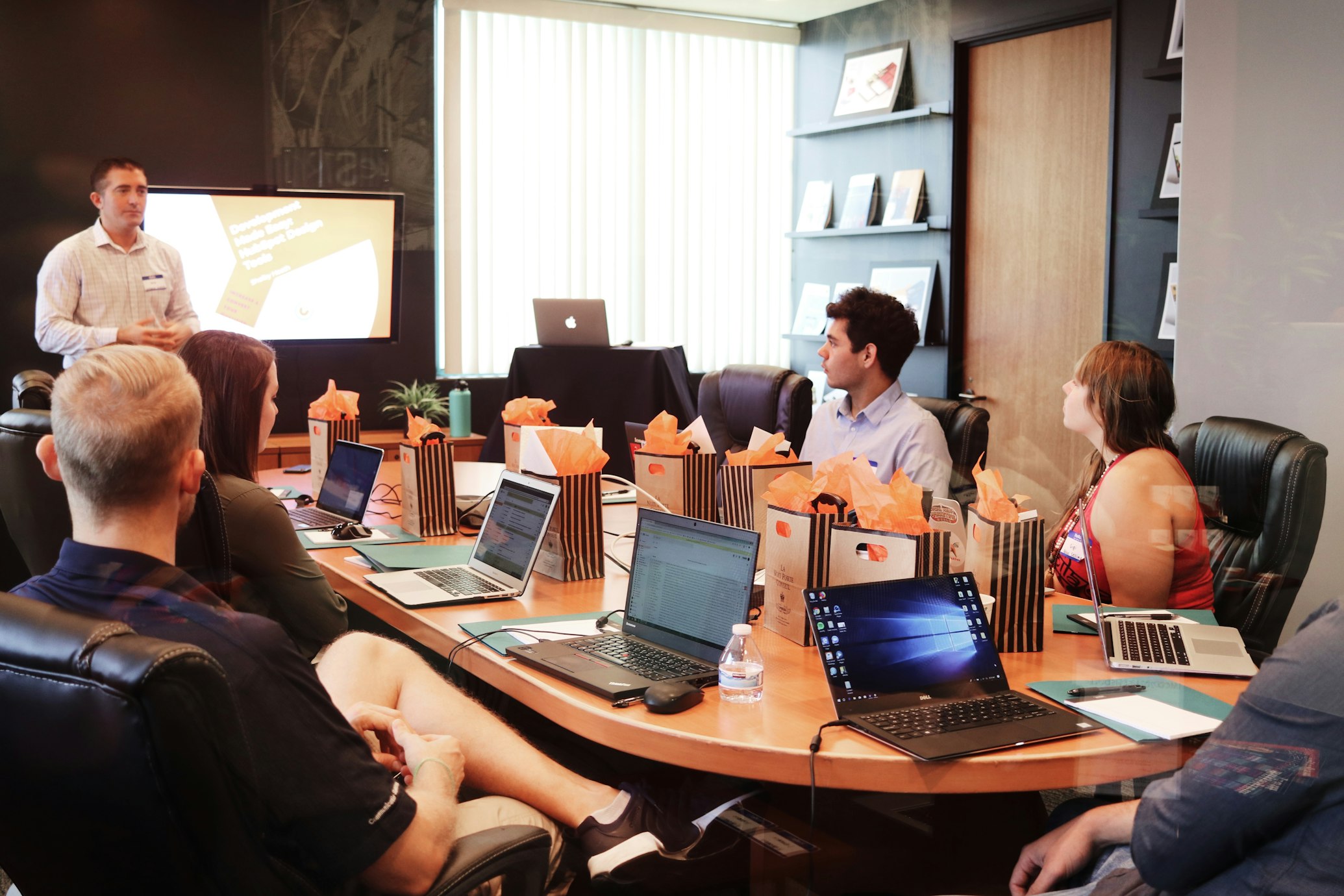
Harnessing Historical Industrial Insights for Business Resilience
September 30, 2026
Learning from the past is crucial for business owners aiming to build resilient companies that endure economic shifts and industry transformations. Historical industrial events provide valuable lessons on adaptation, survival, and strategic evolution.
How can historical events shape business resilience?
Historical events often serve as guiding beacons for modern enterprises. By analyzing past industrial shifts, such as the rise of automation in the 20th century or the advent of the digital age, business owners can glean insights into adapting strategies and operations for future challenges.
- Automation: Revolutionized manufacturing, prompting businesses to embrace technology and improve efficiency.
- Digital Transformation: Forced companies to evolve rapidly, adopting new tools and platforms to stay competitive.
- Globalization: Expanded markets and supply chains, necessitating strategic agility and cultural understanding.
By understanding these transformations, businesses can prepare for future uncertainties.
What are the key elements of building a resilient business?
To create a resilient business, owners must focus on strong foundations and adaptive strategies. Key elements include:
- Diversification of products and revenue streams to mitigate risks.
- Investment in human capital to foster innovation and adaptability.
- Strategic planning with a long-term vision, aligning with patient capital principles.
"Resilience is not about surviving the storm but thriving amidst it."
These elements align with the patient capital philosophy, ensuring businesses are equipped to weather any storm.
How do leadership and operational excellence impact resilience?
Leadership and operational excellence are critical in navigating economic and industry uncertainties. Effective leaders inspire confidence and drive change, while operational excellence ensures efficiency and sustainability.
- Visionary Leadership: Guides the company through turbulent times with strategic foresight.
- Operational Efficiency: Reduces waste and maximizes resources, increasing profitability and stability.
- Culture of Innovation: Encourages continuous improvement and adaptability.
These factors contribute to a resilient organization capable of enduring and thriving through challenges.
How does patient capital support long-term business success?
Patient capital is an investment philosophy focused on long-term growth rather than short-term gains. It supports businesses by:
- Providing stability during economic downturns.
- Enabling strategic investments in innovation and infrastructure.
- Fostering a legacy mindset, aligning business goals with community and employee well-being.
This approach ensures businesses are built to last, creating enduring legacies that benefit all stakeholders. Explore more about our selling your business philosophy.
What role does community engagement play in business resilience?
Community engagement strengthens business resilience by building trust and loyalty. Businesses that invest in their communities often experience:
- Enhanced reputation and brand loyalty.
- Stronger local networks and partnerships.
- Increased employee satisfaction and retention.
These factors contribute to a stable, supportive environment in which businesses can thrive. To learn more, contact our team for guidance on integrating community engagement into your strategy.
In conclusion, by leveraging historical insights, focusing on strong foundations, and embracing patient capital, business owners can build resilient organizations capable of navigating the unknowns of today's dynamic economic landscape.
Value Estimator
Your Business at 3.0x
Adjust the sliders to estimate your valuation based on our standard multiple for qualified enterprises.
Est. Earnings
$375K
Est. Valuation
$1.1M
* Note: This calculation serves as a standard benchmark. Actual valuation and deal structures (including seller-financing and earn-outs) are customized based on business stability, risk, and growth.